General
Breaking barriers: How business leaders are transforming workforce diversity strategies
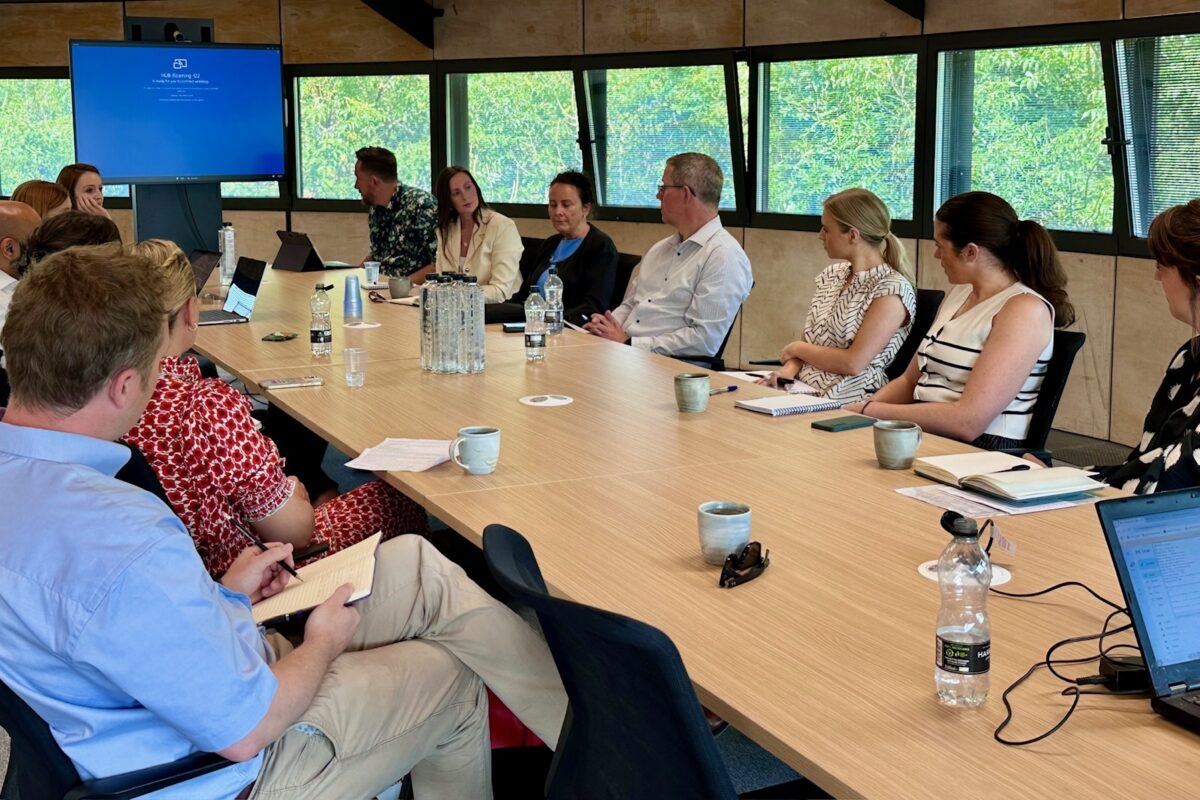
In an exclusive roundtable discussion held at the University of Nottingham Innovation Park building on the Castle Meadow Campus in Nottingham city centre, senior executives from across multiple sectors joined our Director Jude Weston to reveal groundbreaking approaches to addressing workforce diversity challenges, offering critical insights for businesses seeking to modernise their talent acquisition and retention strategies.
The traditional corporate talent pipeline is undergoing a radical transformation, with forward-thinking organisations recognising that diversity is no longer a compliance issue, but a critical competitive advantage, said our panel.
Our panel candidly discussed the systemic barriers preventing diverse talent entry. “Historically, our industry was driven by generational connections,” said Jude. “The first question was always whether your father was in the profession.”
This legacy approach is being systematically dismantled through innovative recruitment strategies. Companies are now:
– Targeting universities beyond traditional Russell Group institutions
– Implementing blind recruitment processes
– Creating targeted outreach programs
– Developing apprenticeship schemes that bypass traditional academic requirements
Engineering sectors are demonstrating particularly progressive approaches. BWB has implemented a comprehensive strategy targeting potential talent from primary school age, sending female engineers into schools with visual presentations showcasing women’s achievements in complex technical projects.
“We’re planting seeds early,” said Sarah Walker, HR Director, highlighting the importance of challenging career perceptions before stereotypes become entrenched.
The panel identified social background as potentially the most significant recruitment barrier. One professional shared personal experiences of feeling out of place in client meetings, illustrating how unspoken social etiquette can disadvantage candidates from less privileged backgrounds.
Innovative companies are addressing this through:
– Mentorship programs
– Social skills training
– Flexible working arrangements
– Comprehensive returner programs for professionals after career breaks
Recruitment professionals are challenging traditional intelligence metrics, pushing clients to look beyond academic credentials. Neurodiversity is emerging as a critical consideration, with compelling evidence that alternative thinking styles can drive innovation.
Small and medium enterprises (SMEs) are proving particularly agile. Despite limited resources, many are making disproportionate investments in diversity initiatives, hosting open days and providing work experience programs.
While progress is evident, leaders acknowledged significant challenges, including a potential backlash against diversity initiatives, concerns about younger generations becoming less open-minded and systemic biases in traditional recruitment processes
However, there are practical solutions emerging. Successful strategies identified included targeted school outreach in underrepresented areas, comprehensive returner programs, mentorship networks, recruitment bias training and flexible apprenticeship models.
Participants unanimously agreed that diversity isn’t just a moral imperative but a critical business strategy. “If we could tap into the entire talent pool, our workplaces would be transformed,” said one panellist.
Technology and engineering sectors are leading by example, with some organisations reporting that female engineers now represent a significant and growing proportion of their workforce.
The message is clear: businesses must move beyond traditional recruitment models. As competition for top talent intensifies, diversity is no longer optional – it’s a strategic imperative for business success.
Our panel on the day was:
Becky Hicks, Morson
Julie Deeley, EN:Able Futures
Natalie Desty, STEM Returners
Simeon Ratcliffe, N2 Talent
Suzannah Rogers, Birketts
Jude Weston, NG Chartered Surveyors
Luke Parker, Acres Engineering
Lauren McNeal, Gi Group
Kaljinder Nijjar, KPMG
Danielle Davis, First Enterprise Enterprise Loans
Sarah Walker, BWB



Roseway House,
Unit 8 Wheatcroft Business Park,
Landmere Lane,
Edwalton,
Nottingham,
NG12 4DG