General
The culture club - how to make every workplace the very best it can be
The key to creating a positive working culture is to ensure that everyone has the chance to make it to the top – that’s according to our Managing Director Richard Sutton.
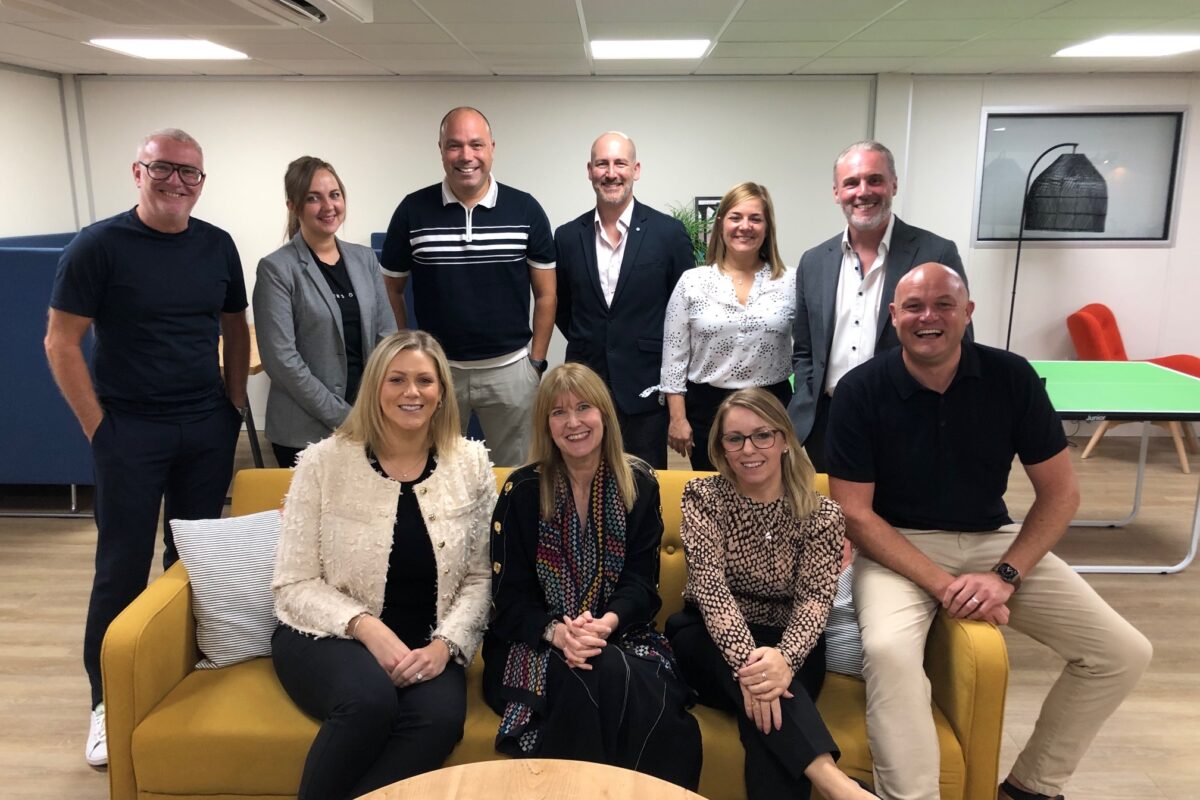
Richard was talking at a round table event held at NG’s offices in Nottingham recently. NG invited a select handful of local, regional and national business leaders to give their views on working culture.
Richard said: “We work hard to make everyone in the business the very best they can be. We keep it pretty simple so that all staff get off on the right foot. It’s basically: don’t be a dickhead.
Cally Price, Non-executive Director at Frasers Group said that transparency works best for her company.
“We have to be honest,” said. “Anything less won’t work. We hire for behaviour and include people in our business strategy. But this doesn’t happen overnight – there has to be more than that.
John Williams, Commercial Director at Leicestershire County Cricket Club said he is trying to replicate a winning culture off the field.
“You can’t buy culture,” he said. “When I came into the club, we had to change things in the first week as I knew a restructure was needed and there were dramas, tantrums and tears. But success is all about culture, mindset and planning.
Nikki Paterson, Midlands Director of the CBI, thought that business could learn a lot from sport, to which Richard replied that sport could learn a lot from business too!
For Deborah French from Nottingham College, the secret to successful workplace culture is strong leadership. She said: “For some time we had a revolving door leadership model, and they tried to change our fundamental educational model into a business model – it didn’t work for us.
Talk turned to what investors look for when they’re looking to back a company.
Sophie Dale-Black from SDB Innovations said: “First and foremost, investors will be looking at whether a business leader knows how to scale their company. But the second thing they look at is that company’s culture.
Amy Revell of We Are Spaces set her company up during the pandemic.
She admitted: “It took us quite a while to define our company culture – and we definitely made a lot of mistakes. However, we’re now in a completely different place. I like to think we went slower to go faster.
Ben Horner harked back to his days at Boots, and said: “When we started to talk about culture at Boots, we asked: ‘What does culture mean?’ It turned out there were a lot of different cultures, so we thought: ‘We need something tangible. We settled on ‘With you we change for the better’. We thought this empowered people to think they were equally responsible for their own career progression as we were.
James Taylor of recruitment firm Macildowie was asked what he heard most from candidates about a company’s culture. He said: “Top of the list, without a doubt, is: ‘Do I have to be in the office five days a week?’
Richard said that all of our staff wanted to be in the office once Covid restrictions were lifted. He added: “We know we were fortunate. A lot of people in our industry carried on working from home, but that wasn’t for us.”
James said he thought that, although it will take a while, working from the office full-time will “click back”. There will be a “tipping point,” he added.
Amy asked how to embed that kind of culture, to which James replied: “Business owners have just got to work harder. Middle management is under greater pressure than ever before. They’re either frozen or fried.
Andy Gallimore, of Culturev8te said he found the conversation “fascinating” and was impressed by how much everyone had “got it”.
He added: “Very few business owners think they have it sussed. At heart of culture is communication, and everyone around this table seems to be fully on top of that.”
Debra added that Nottingham College had found a balance on hybrid working – and had been able to attract greater talent because of that. Culture is everything – if you don’t trust people work from home they won’t perform.
Richard added that it’s vitally important that male business owners strive to think about whether their female members of staff want to mould their career.
He added: “If you don’t do that, you’re ruling out 50% of the workforce. We’ve always asked our female colleagues how they want to do it.
Ben replied: “That’s because you’re a quality manager.”
Richard said: “We’ve taken time to pick the right people; it’s been very important to us to make sure all our staff aren’t 50 year old men.
“At NG we’ve got ourselves into a wellbeing mindset – not just because we need it, but because we enjoy it. And that’s what makes our culture so special.”



Roseway House,
Unit 8 Wheatcroft Business Park,
Landmere Lane,
Edwalton,
Nottingham,
NG12 4DG